
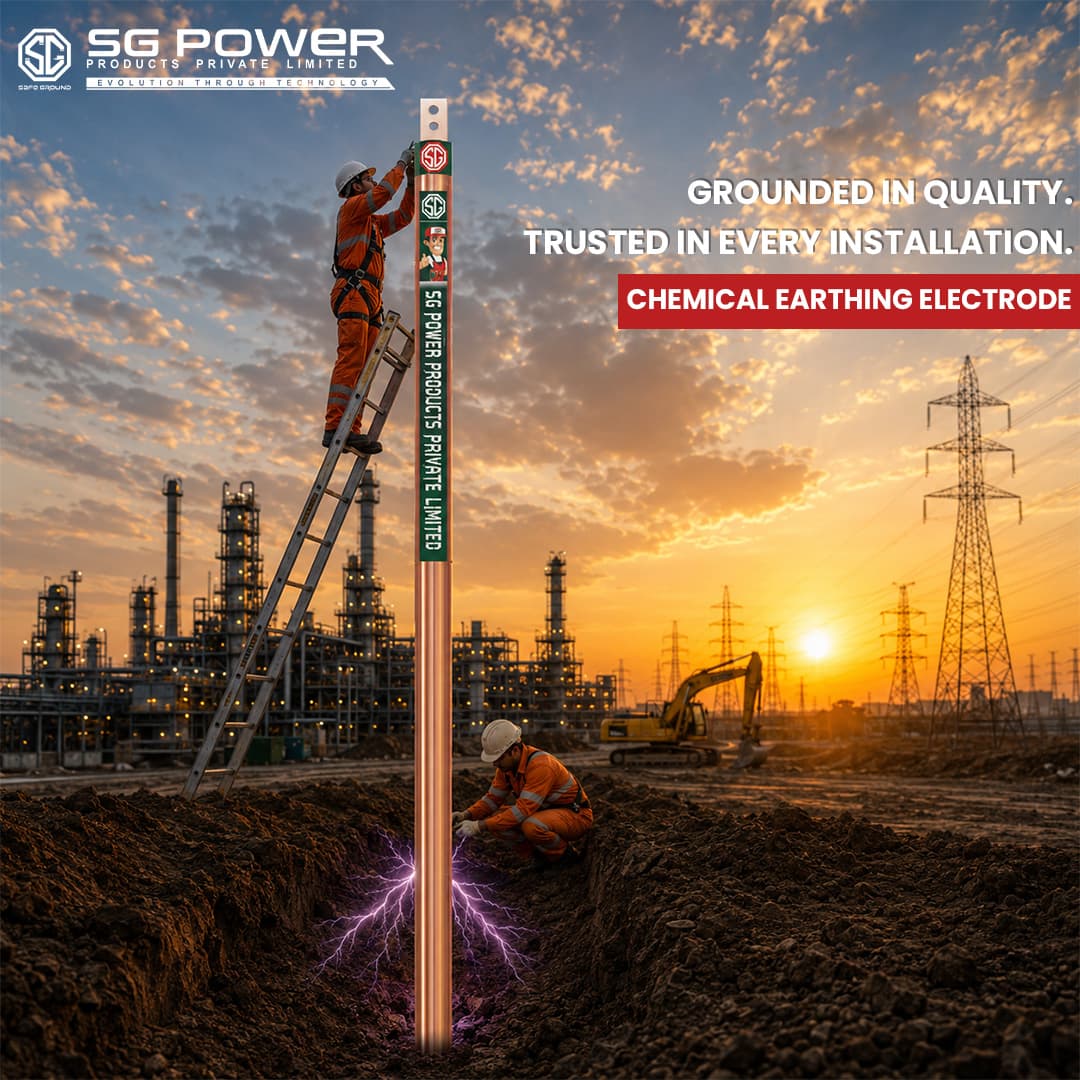
A reliable earthing system is essential for protecting people, electrical equipment, and infrastructure from electrical faults, leakage currents, and transient surges. Among the different grounding solutions available, a Chemical Earthing Electrode is commonly considered for installations where soil conditions, moisture availability, or space limitations make conventional earthing more challenging.
A properly designed chemical earthing system can provide a dependable path for fault current to dissipate safely into the earth. However, the performance of an earthing installation depends on several factors, including soil resistivity, electrode material, electrode dimensions, installation depth, conductive backfill, bonding, and testing.
For industrial plants, commercial buildings, data centres, telecom infrastructure, solar installations, and other electrical applications, selecting the appropriate electrode and grounding arrangement is therefore important.
Chemical Earthing Electrode Manufacturer & Supplier in India
Looking for a reliable Chemical Earthing Electrode Manufacturer and Supplier in India? SG Power provides chemical earthing and grounding solutions for industrial, commercial, infrastructure, solar, telecom, and other electrical applications.
The suitable Chemical Earthing Electrode can be selected based on soil conditions, electrode material, dimensions, installation requirements, and project specifications. Contact SG Power to discuss your earthing requirements and select a suitable solution for your application.
What Is a Chemical Earthing Electrode?
A Chemical Earthing Electrode is an electrode used as part of an electrical grounding arrangement, where a conductive material or earth-enhancing compound may be used around the electrode to improve the surrounding soil's electrical conductivity.
The electrode provides a low-impedance path through which fault current can flow into the ground. Depending on the application, different electrode materials such as GI, copper, or copper-bonded construction may be considered.
The performance of the complete electrical earthing system depends not only on the electrode but also on the surrounding soil, installation design, conductor connections, bonding, and maintenance requirements.
Electrode materials that may be considered:
How Does a Chemical Earthing Electrode Work?
The basic operating principle is straightforward:
Electrical fault
Earthing conductor
Electrode
Surrounding soil
Dissipation into earth
During an electrical fault, unwanted current needs a safe path to ground. The Chemical Earthing Electrode provides the conductive connection between the earthing conductor and the surrounding earth.
A properly designed grounding system should consider the installation's earthing arrangements and protective conductors to provide a reliable path for fault currents and support electrical safety.
A suitable conductive backfill compound can help maintain a more conductive environment around the electrode, particularly where natural soil conditions are not favourable.
The actual resistance achieved after installation depends on factors such as:
Therefore, an electrode should always be considered as one component of the complete grounding system.
Why Is Chemical Earthing Important?
An effective earthing arrangement helps protect people and equipment by providing a controlled path for unwanted electrical current.
Chemical earthing may be considered for applications where conventional grounding methods face challenges because of:
High soil resistivity
Dry soil conditions
Seasonal variations in soil moisture
Limited installation space
Rocky and difficult ground conditions
A properly designed grounding system can support protection against electrical faults and help electrical protection devices operate effectively under fault conditions.
Chemical Earthing Electrode vs Traditional Earthing
Traditional earthing and chemical earthing can both be designed to provide an effective connection to earth. The appropriate method depends on the site and engineering requirements.
Chemical Earthing
Chemical earthing generally uses a specialised electrode and may incorporate an earth-enhancing compound or conductive backfill around the electrode.
Conventional Earthing
Conventional earthing may rely more heavily on the natural characteristics of the surrounding soil.
The performance of both systems depends on factors such as soil conditions, electrode design, installation depth, conductor connections, and overall grounding configuration.
There is no universal earthing method that is suitable for every site. Soil testing and engineering assessment should guide the final selection.
Types of Chemical Earthing Electrodes
Different electrode materials can be used depending on project requirements.
GI Chemical Earthing Electrode
GI, or galvanised iron, electrodes are commonly considered where a galvanised steel construction is appropriate for the installation.
The suitability of a GI electrode depends on the soil environment, expected service conditions, mechanical requirements, and applicable specifications.
Copper Bonded Chemical Earthing Electrode
A copper bonded electrode consists of a steel core with a bonded copper layer. This construction combines the mechanical strength of the core with the corrosion resistance and conductivity characteristics of copper.
Copper bonded earth electrodes can be considered for a range of grounding applications where long-term electrode performance is required.
Copper Earthing Electrode
Copper electrodes are another option for grounding applications. Their suitability depends on the project design, soil chemistry, required mechanical strength, installation conditions, and applicable standards or specifications.
The choice between GI, copper, and copper-bonded construction should be based on the complete installation requirements rather than material preference alone.
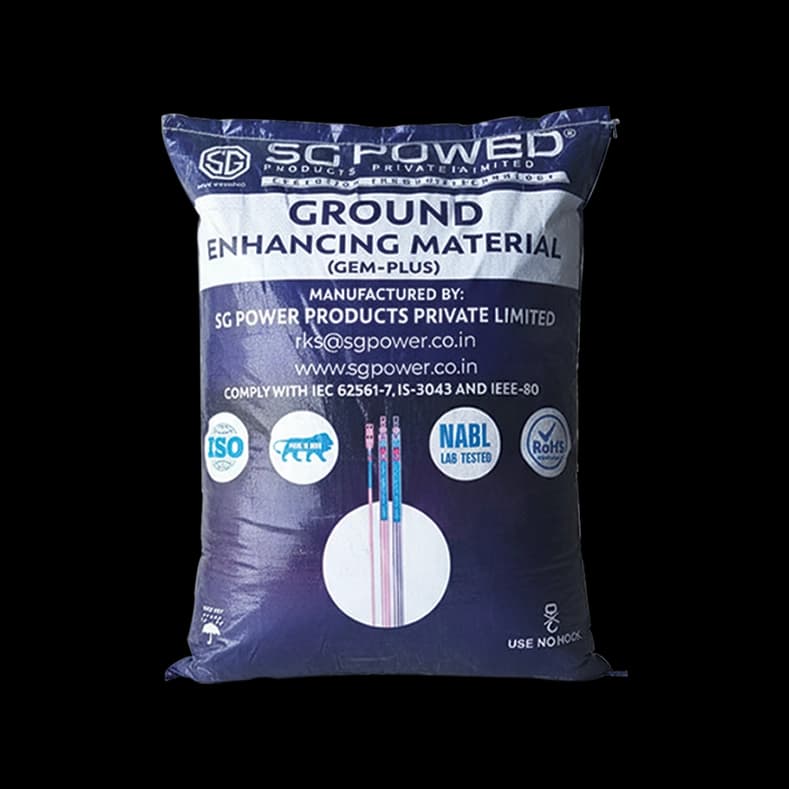
Role of Earth-Enhancing Compound
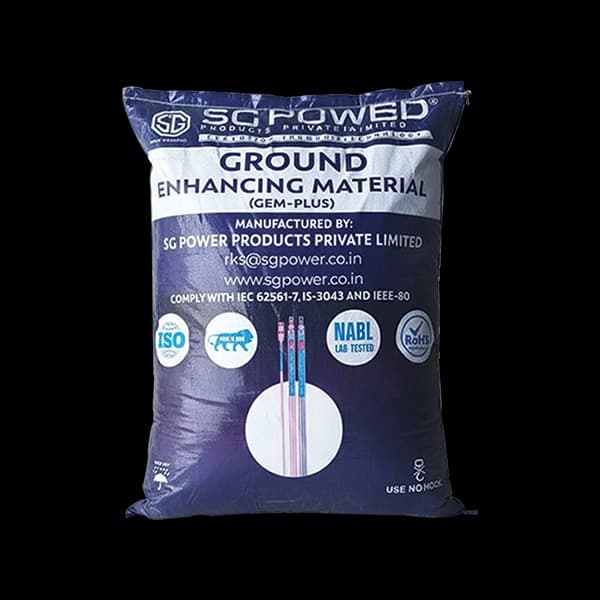
An earth-enhancing compound or conductive backfill material may be installed around an earthing electrode to improve the conductive environment surrounding the electrode.
It can be particularly useful in soil conditions where natural conductivity is relatively poor.
However, an earth-enhancing compound should not be treated as a substitute for proper earthing design. Its effectiveness depends on the material characteristics, installation method, soil conditions, electrode configuration, and long-term environmental conditions.
The selection of backfill should therefore be based on the manufacturer's specifications and project requirements.
Chemical Earthing Electrode Installation Process
The exact installation procedure depends on the electrode design and project specifications, but a typical installation may involve several stages.
1. Site Assessment
The installation location is assessed for soil conditions, accessibility, underground utilities, and other site-specific factors.
2. Soil Resistivity Assessment
Soil resistivity can be measured to understand the electrical characteristics of the ground and assist in determining the appropriate grounding arrangement.
3. Excavation or Bore Preparation
The required pit, bore, or installation arrangement is prepared according to the selected electrode and installation design.
4. Electrode Installation
The Chemical Earthing Electrode is positioned at the required depth and location.
5. Conductive Backfill Installation
Where specified, an earth-enhancing compound or conductive backfill is placed around the electrode according to the installation instructions.
6. Earthing Conductor Connection
The electrode is connected to the required earthing conductor using an appropriate connection or clamp arrangement.
7. Testing
After installation, the earth resistance should be measured using an appropriate testing method. Testing helps verify the actual performance of the grounding installation. Measuring earth connection resistance is an important part of this verification.
How to Select a Chemical Earthing Electrode Based on Soil Conditions
Choosing the right electrode should begin with the site rather than simply selecting a standard product size.
Start With Soil Resistivity
The first consideration should be the electrical characteristics of the soil. Soil resistivity can vary considerably between locations and can also change with moisture and seasonal conditions.
Understanding the soil helps determine the type of grounding arrangement required.
Consider Electrode Material
The choice between GI, copper, and copper bonded electrode construction should consider corrosion conditions, mechanical requirements, expected service life, conductivity requirements, and project specifications.
Select Appropriate Electrode Dimensions
Electrode length and diameter can influence the contact area and overall grounding performance. The required dimensions should therefore be determined according to the site and design requirements rather than using the same size for every installation.
Select Suitable Backfill Compound
Where natural soil conditions require improvement, an appropriate conductive backfill compound or earth-enhancing compound may be considered.
The selected material should be compatible with the electrode and installed according to the manufacturer's recommendations.
Determine the Complete Grounding Arrangement
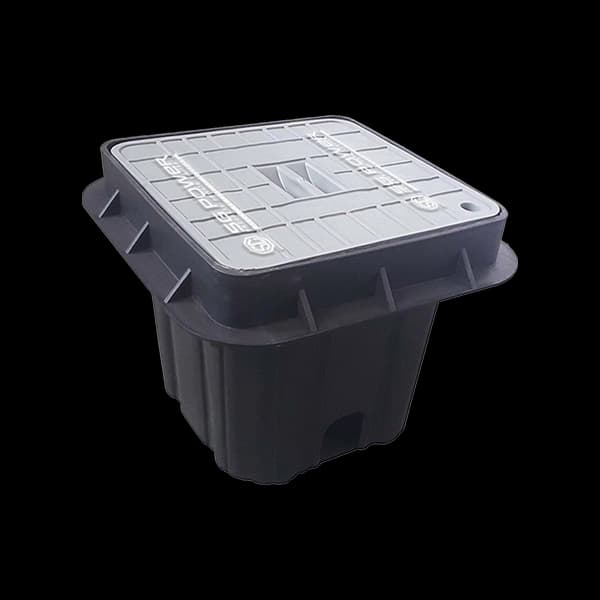
The electrode is only one part of the system. The complete arrangement may include earthing conductors, earthing clamps, multiple electrodes, equipotential bonding, lightning protection connections, electrical equipment grounding, and earth pits or inspection arrangements.
Verify the Installed System
Once installation is complete, the grounding system should be tested to verify the achieved earth resistance and confirm that the installation meets the applicable project requirements.
Practical Selection Formula
This approach provides a more reliable basis for selecting a Chemical Earthing Electrode than choosing an electrode based only on product size or price.
Where Is Chemical Earthing Used?
A Chemical Earthing Electrode can be considered for various electrical and infrastructure applications, including:
The final grounding arrangement should always be designed according to the electrical system, site conditions, applicable standards, and project specifications.
Chemical Earthing for Dry and High-Resistivity Soil
Dry soil can sometimes present challenges for achieving the required grounding performance because soil moisture and composition influence electrical conductivity.
Similarly, rocky or high-resistivity soil may require a different grounding arrangement from normal soil.
In such conditions, engineers may evaluate factors such as:
A Chemical Earthing Electrode may form part of the solution, but the complete design should be based on actual site measurements.
How to Choose the Right Chemical Earthing Electrode
Before selecting a Chemical Earthing Electrode, consider the following factors.
Soil Conditions
Determine the soil type and soil resistivity at the installation location.
Electrode Material
Consider whether GI, copper, or copper bonded electrode construction is appropriate for the project.
Electrode Dimensions
Select the electrode dimensions according to the required grounding design and installation conditions.
Backfill Material
Where required, select a suitable earth-enhancing compound based on the electrode and soil conditions.
Connection Arrangement
Ensure that the connection between the electrode and earthing conductor is mechanically secure and electrically reliable.
Environmental Conditions
Consider moisture, soil chemistry, corrosion conditions, temperature, and other environmental factors.
Testing Requirements
The completed installation should be tested to verify its earth resistance and overall grounding performance.
Choosing a Chemical Earthing Electrode Supplier in India
When selecting a Chemical Earthing Electrode Supplier, buyers should look beyond the product name and compare the technical suitability of the offered solution.
Important factors include:
A reliable Chemical Earthing Electrode Supplier should be able to provide relevant product information so that the electrode can be evaluated against the project's actual requirements.
Chemical Earthing Rod: Is It the Same as a Chemical Earthing Electrode?
The terms Chemical Earthing Rod and Chemical Earthing Electrode are sometimes used interchangeably in the earthing industry.
However, terminology can vary between manufacturers and projects. A rod generally refers to a rod-shaped electrode, while an electrode is the broader technical term for a conductive element that establishes an electrical connection with the earth.
Before purchasing a Chemical Earthing Rod, customers should verify the actual product construction, material, dimensions, coating, connection arrangement, and installation requirements.
This is particularly important when comparing products from different Chemical Earthing Rod manufacturers.
What Should You Ask Chemical Earthing Rod Manufacturers?
Before selecting Chemical Earthing Rod manufacturers, consider asking for information about:
- Electrode material
- Electrode dimensions
- Coating or construction details
- Available sizes
- Connection options
- Recommended installation method
- Compatible backfill material
- Product specifications
- Applicable testing or certification information
- Recommended applications
These details help ensure that the selected product matches the requirements of the intended grounding system.
Benefits of a Properly Designed Chemical Earthing System
A properly designed and installed chemical earthing system can provide several practical benefits, including:
Reliable electrical grounding
A controlled fault-current path
Support for electrical safety
Improved grounding performance in challenging soil conditions
Compatibility with electrical protection systems
Better grounding-system consistency when properly designed
Potentially reduced maintenance requirements depending on the system design
It is important to remember that these benefits depend on correct engineering, installation, material selection, and testing.
Related Earthing Solutions from SG Power
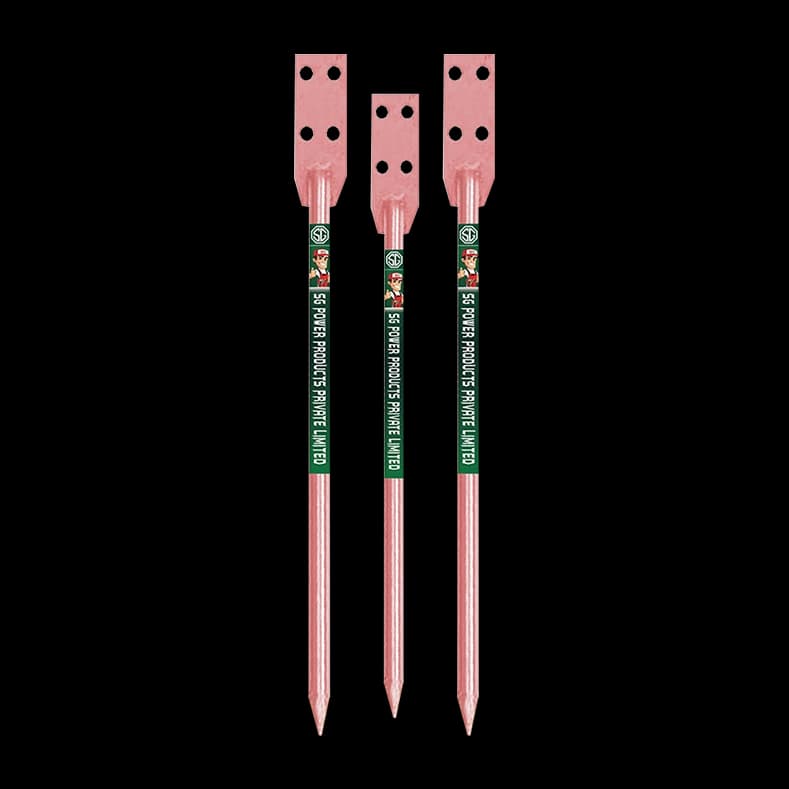
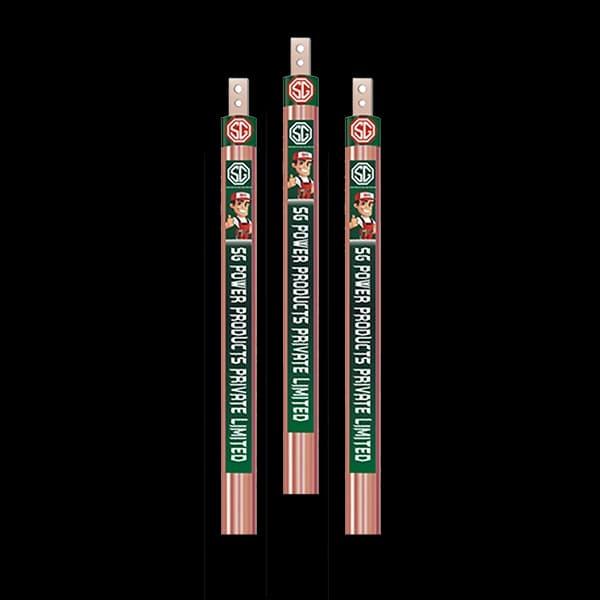
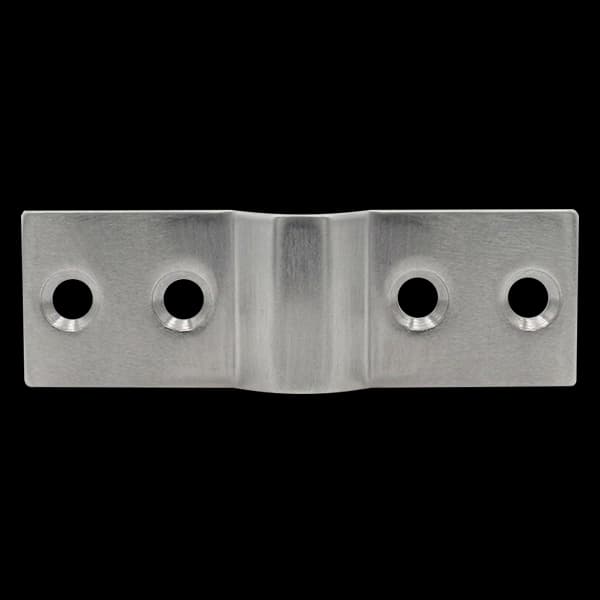
A complete earthing system may require several interconnected components depending on the project design. In addition to a Chemical Earthing Electrode, customers may require Earthing Rods, Copper Bonded Earth Rods, Copper Bonded Earth Electrode, Earth Enhancing Compound, and suitable Earthing Clamps.
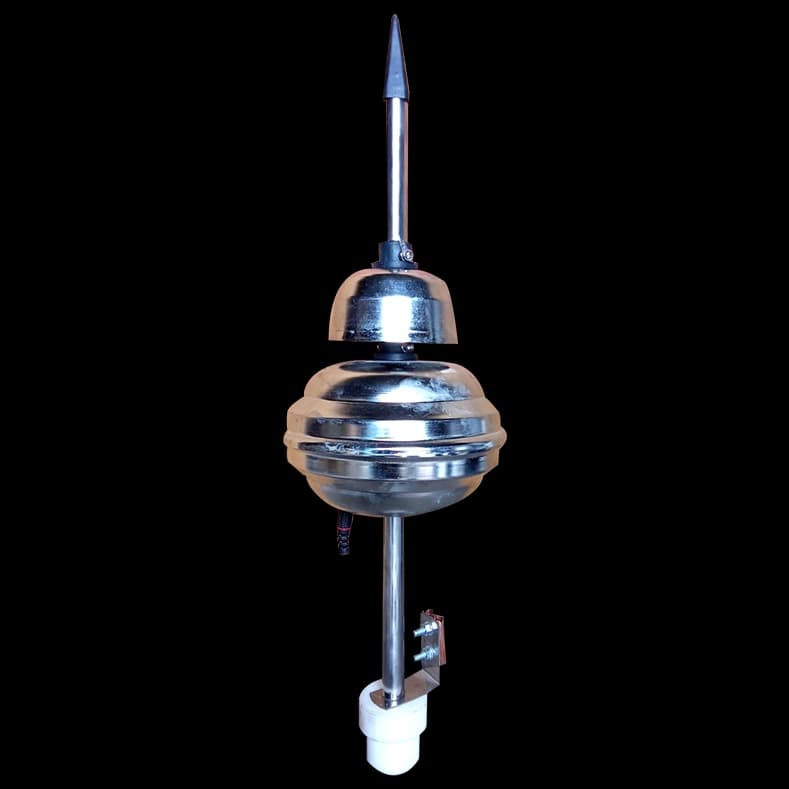
For projects involving electrical and lightning protection, the grounding arrangement may also need to be integrated with a Lightning Protection System and appropriate bonding and conductor components.
SG Power offers a range of earthing and lightning protection products for industrial, commercial, infrastructure, solar, telecom, and other electrical applications. Customers can review the relevant product specifications and select components according to their project requirements.
Chemical Earthing and Lightning Protection
Earthing is an important part of a complete lightning protection arrangement.
When earthing is integrated with a lightning protection system, the overall installation should be designed according to applicable lightning protection principles and standards, including the relevant IEC 62305 requirements.
A lightning protection system provides a controlled path for lightning current, while the grounding system provides a connection between the protection arrangement and the earth.
The Chemical Earthing Electrode can therefore be incorporated into an overall grounding arrangement where appropriate.
The complete lightning protection and grounding system should be designed according to the applicable standards and site-specific requirements.
Depending on the project design, a lightning protection installation may include:
Why Choose SG Power for Earthing Solutions?
Selecting the right earthing product requires more than simply comparing product names. The electrode should be suitable for the soil conditions, electrical application, installation method, and project specifications.
SG Power provides a range of earthing and electrical protection products intended for different industrial and infrastructure applications.
When evaluating a Chemical Earthing Electrode, customers can consider the following before finalising the product:
Required Material
Dimensions
Installation Method
Connection Arrangement
Backfill Requirements
Testing Requirements
This application-focused approach helps customers select an earthing solution based on their actual project needs.
Final Takeaway
A Chemical Earthing Electrode can be an important component of an electrical grounding system, particularly where soil conditions or project requirements make conventional grounding challenging.
However, the performance of any earthing system depends on more than the electrode alone. Soil resistivity, electrode material, dimensions, installation depth, conductive backfill, conductor connections, system configuration, and post-installation testing all contribute to the final result.
Whether you are looking for a Chemical Earthing Electrode Manufacturer, Chemical Earthing Electrode Supplier, or Chemical Earthing Rod Supplier, always evaluate the product according to your actual site and engineering requirements.
For industrial, commercial, infrastructure, solar, telecom, and other electrical applications, SG Power can provide earthing and electrical protection solutions based on project-specific requirements.